Why We Love Old Things: The Charm of Objects With a Story
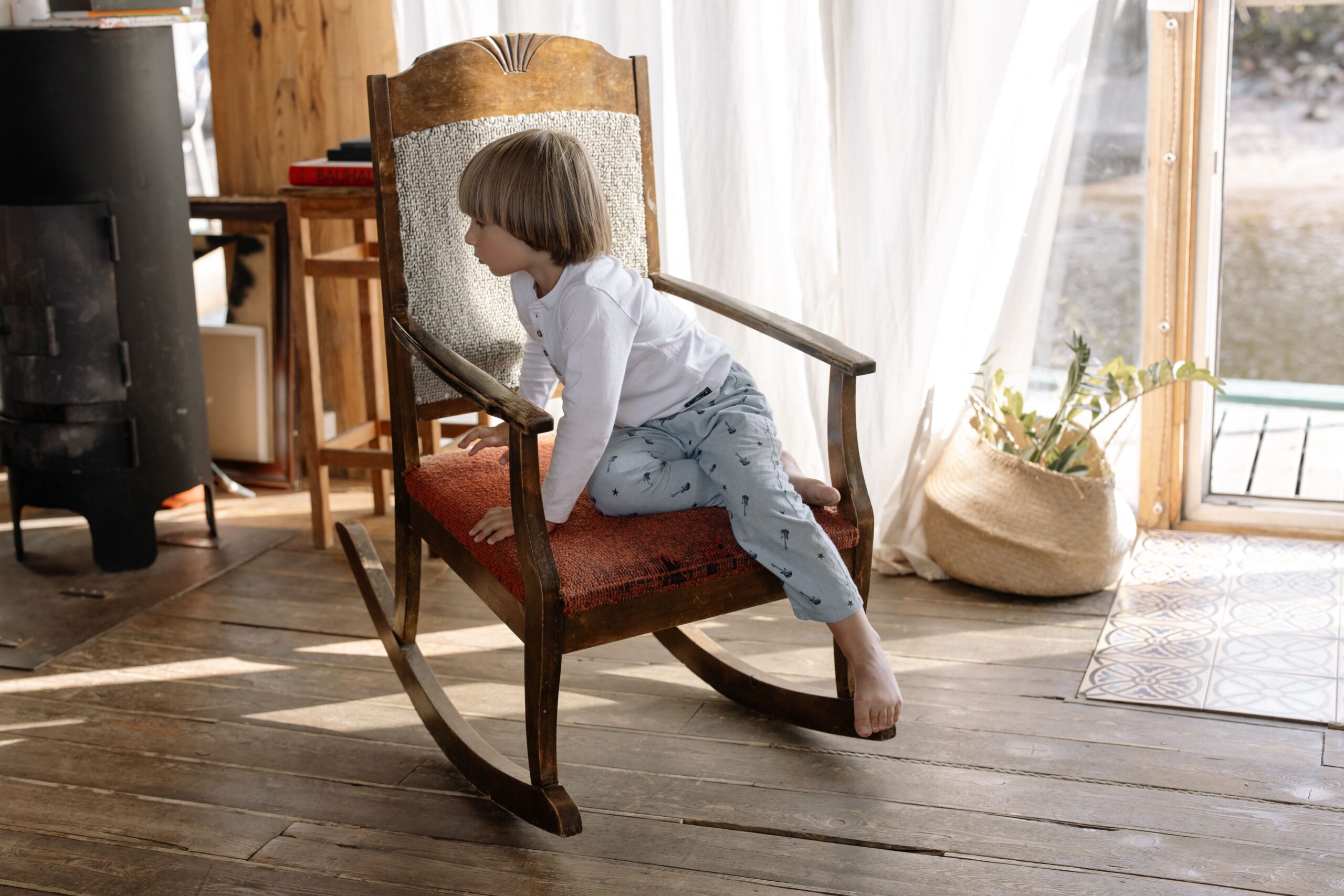
An old wooden chair, a faded photograph, a chipped ceramic bowl. Sometimes, the things that make a home feel special are the ones that have already lived a life before us.
There is a certain kind of beauty that new things rarely have. You can find it in the worn edges of a wooden table, the slightly uneven glaze of an old ceramic jug, or the soft colors of a painting that has hung on someone’s wall for decades.
These objects aren’t necessarily valuable. Some were made by hand, others were ordinary household items that happened to survive the years. Yet they often bring something to a room that a brand-new decoration cannot: a sense of history.
Maybe that’s why vintage markets, secondhand shops, and family attics can be so fascinating. Among the forgotten things, there is always the possibility of finding something unexpected.
The Beauty of Imperfection
Modern interiors often look beautiful in photographs. Every cushion is perfectly arranged, every surface is spotless, and every object seems to have been carefully chosen to match.
But real homes rarely look like that.
A wooden dining table develops scratches. Linen becomes softer with washing. An old leather armchair changes color where people have sat for years.
These little imperfections can make a home more interesting.
They remind us that furniture and everyday objects are meant to be used, not simply admired.
Of course, there’s a difference between something that has aged beautifully and something that’s falling apart. But a little wear doesn’t always need to be repaired or hidden.
Sometimes, it’s exactly what gives an object its character.
Objects That Carry Memories
Most of us own at least one thing that would mean very little to a stranger but feels almost impossible to replace.
Perhaps it’s a coffee cup that belonged to a grandparent, an old recipe book covered in handwritten notes, or a small souvenir from a holiday years ago.
The object itself might be simple. What matters is the memory attached to it.
A familiar shape or color can remind us of a particular kitchen, a childhood home, or someone we haven’t seen in a long time.
These pieces don’t have to be displayed like museum treasures.
An old ceramic plate can still be used for serving cake. A wooden box can hold letters or photographs. A favorite vintage vase can sit on the kitchen table with fresh flowers.
Keeping an object in everyday use can be a lovely way of keeping its story alive.
The Pleasure of Finding Something Unexpected
There is something quite different about shopping secondhand.
Instead of choosing from hundreds of identical products, you never really know what you’ll find.
A small antique shop might have a beautiful wooden stool hidden behind a stack of chairs. At a flea market, an ordinary-looking box might contain vintage linen napkins or old brass candleholders.
Not every visit ends with a purchase, and that’s part of the appeal.
You can spend an afternoon browsing, noticing interesting details, and imagining where these objects might have come from.
When you do find something you love, it often feels more personal than choosing an item from a catalogue.
And sometimes, the best discovery costs very little.
Mixing Old and New at Home
You don’t need to live in a country cottage or decorate your entire home in vintage style to enjoy older pieces.
In fact, combining old and new objects can make a room feel more natural.
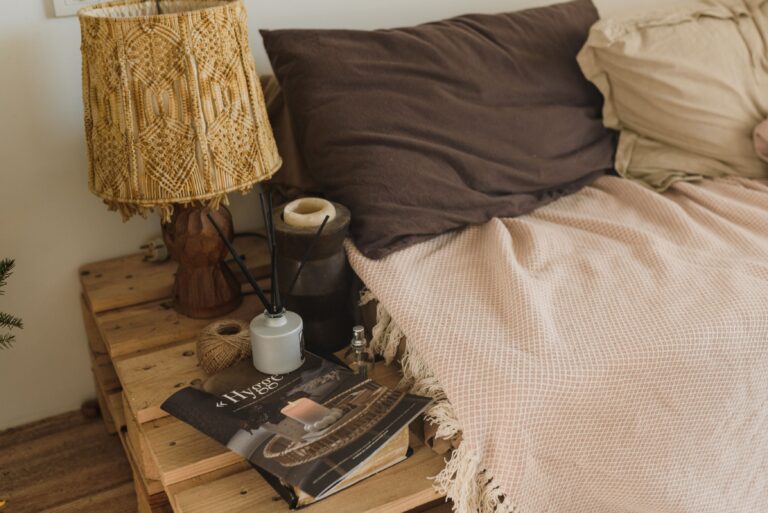
A contemporary sofa can look beautiful beside an old wooden coffee table. Simple white shelves can hold antique pottery. A modern dining room can become more interesting with a set of mismatched vintage chairs.
The contrast is often what makes the arrangement work.
Try starting with one piece that you genuinely like.
It might be a mirror with an aged wooden frame, a small ceramic lamp, or a secondhand side table.
Give it a place where it can be appreciated without surrounding it with too many other decorations.
The goal isn’t to make your home look as though it belongs to another century. It’s to create a space that feels collected over time.
When Repairing Is Better Than Replacing
Not every old object needs to stay exactly as it is.
A loose chair leg can be repaired. A scratched wooden surface may benefit from careful refinishing. An old picture frame can be cleaned and given a new photograph.
Small repairs can extend the life of things we already own.
Before changing anything, though, it’s worth considering whether the original finish or signs of age are part of what makes the object interesting.
With genuinely antique or valuable pieces, aggressive sanding, painting, or refinishing can sometimes do more harm than good.
For ordinary household furniture, a thoughtful repair can turn a forgotten item into something useful again.
And there’s a particular satisfaction in giving an object a second chance rather than sending it away.
A More Personal Kind of Home
One of the nicest things about collecting older objects is that they don’t all have to match.
A home can contain a handmade bowl from a local market, a vintage lamp found on holiday, and a wooden chair inherited from family.
Each piece adds something different.
Over time, the combination becomes a reflection of the people who live there.
Perhaps that’s what makes some homes feel so welcoming. They aren’t designed around a single trend or shopping list. They have developed gradually, with room for memories, practical needs, and changing tastes.
You can usually tell when someone has chosen an object because they genuinely love it.
It may not be fashionable. It may not match anything else perfectly. But somehow, it belongs.
Not Everything Needs to Be New
There will always be a place for new furniture, modern design, and useful everyday purchases.
But it’s worth remembering that beautiful things don’t always come in new packaging.
Sometimes, they are waiting in a secondhand shop, tucked away in a cupboard, or sitting unnoticed in a relative’s home.
An old object doesn’t have to be rare or expensive to deserve a place in our lives.
It simply has to mean something to us, serve a purpose, or make an ordinary corner of our home feel a little more interesting.
And perhaps that’s the real charm of things with a story.
They remind us that a home doesn’t have to be perfectly coordinated to be beautiful. Sometimes, a little history is exactly what it needs.